
5–8 Years for Pro Installs: Ceramic Coating Lifespan & Recoat Timing
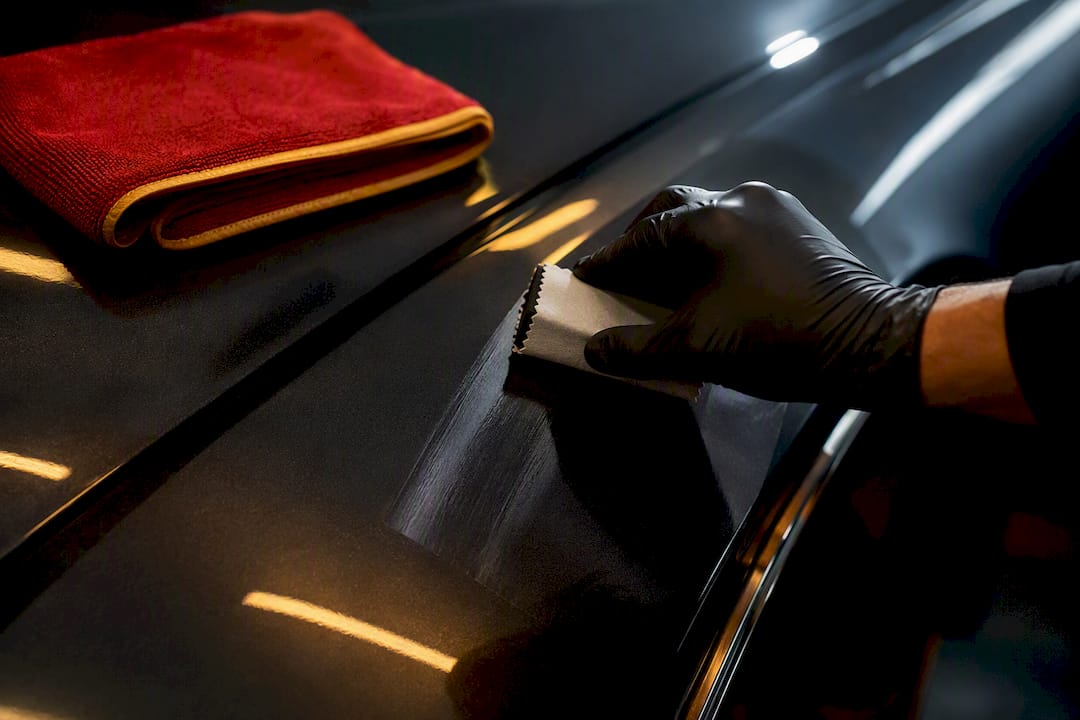
A professionally applied multi-layer ceramic coating can protect your paint for 5 to 8 years on a garaged, well-maintained vehicle. A single-layer pro install typically holds for 2 to 4 years, and DIY spray coatings often fade within 4 to 12 months. The real number depends far less on the product label and far more on installer prep, parking habits, and how you wash the car.
TL;DR:
Multi-layer or graphene-infused ceramic coatings applied professionally can last between five and eight years on garage-kept vehicles, depending on maintenance.
Proper installation, surface prep, and parking habits in high UV areas are critical for maximizing coating lifespan and preventing early failure.
Regular hand washing, applying booster sprays, and annual inspections significantly extend the durability of the coating, especially for less resistant tiers.
Automated brush wash abuse, left contaminants, and skipped paint correction are primary causes of premature coating failure.
Long-term cost efficiency favors premium multi-layer systems, which often cost less annually over six to eight years compared to frequent reapplications of wax or DIY products.
Table of Contents
What Is the Realistic Ceramic Coating Lifespan by Tier?
Warranty booklets love round numbers. Real garages tell a messier story. We’ve broken down field-tested ranges by product tier so you can match expectations to what’s actually on your paint, not what the bottle promised at checkout.
Pro-installed coatings on a garaged car can hold five to seven years, while that same product on an outdoor daily driver often falls well short of that ceiling. Layer count and chemistry drive most of the spread between tiers. A multi-layer or graphene-infused system builds a thicker, more abrasion-resistant shell than a single coat, which is why premium installs tolerate a missed wash or two without collapsing early.
Tier | Realistic Field Life | Best Use Case |
Pro multi-layer / graphene | 5–8 years | Long-term owners, garage-kept vehicles, dark colors |
Pro single-layer | 2–4 years | Standard daily drivers with consistent care |
Prosumer 9H kits | 1–2 years | Enthusiasts comfortable with prep and application |
Consumer DIY spray-on | 4–12 months | Budget protection, quick refresh between details |
Spray topper / booster | 2–4 months per application | Maintenance layer over an existing coating |
Garage parking alone can add years to any tier, since UV exposure and thermal cycling are the two biggest paint stressors a coating fights daily. Wash method matters just as much: a coating babied through hand washes ages very differently than one run through a brush tunnel twice a week.
What Factors Actually Change Ceramic Coating Durability?
Two cars with the identical coating, applied on the same day, can age a decade apart in outcome. The gap comes down to variables you can control and a few you can’t.
Chemistry sets the ceiling. Traditional SiO2 formulas, polysilazane systems, and graphene-enhanced coatings all cure into a hard, glasslike layer, but they don’t wear the same way. Graphene and multi-layer polysilazane builds generally shrug off swirling and chemical etching longer than a basic single-layer SiO2 application.
Installation quality sets the floor. Installer skill, surface prep, and correct curing frequently matter more than which bottle the shop used. A rushed job that skips claybar decontamination or leaves polish oils on the panel sets up early failure no matter how good the coating is.
Here’s what pushes lifespan in either direction:
UV dose: A car parked outdoors in a high solar-irradiation region degrades measurably faster than one in a milder climate, since ultraviolet exposure breaks down the coating’s cross-linked bonds over time.
Wash frequency and method: A car hand washed every two weeks accumulates roughly 130 wash cycles over five years, while a car run through automatic brush washes twice weekly can hit 520 cycles in the same span, a 20 to 40 times greater cumulative abrasive load.
Contaminant exposure: Bird droppings, tree sap, and brake dust left to sit etch into the coating before it can be buffed clean.
Prep quality: Skipped paint correction or polishing before application traps oils under the coating, weakening adhesion from day one.
How Do You Maintain a Ceramic Coating for Maximum Life?
Coatings don’t fail overnight. They erode gradually, and a light, consistent routine keeps you closer to the top end of your tier’s range rather than the bottom.
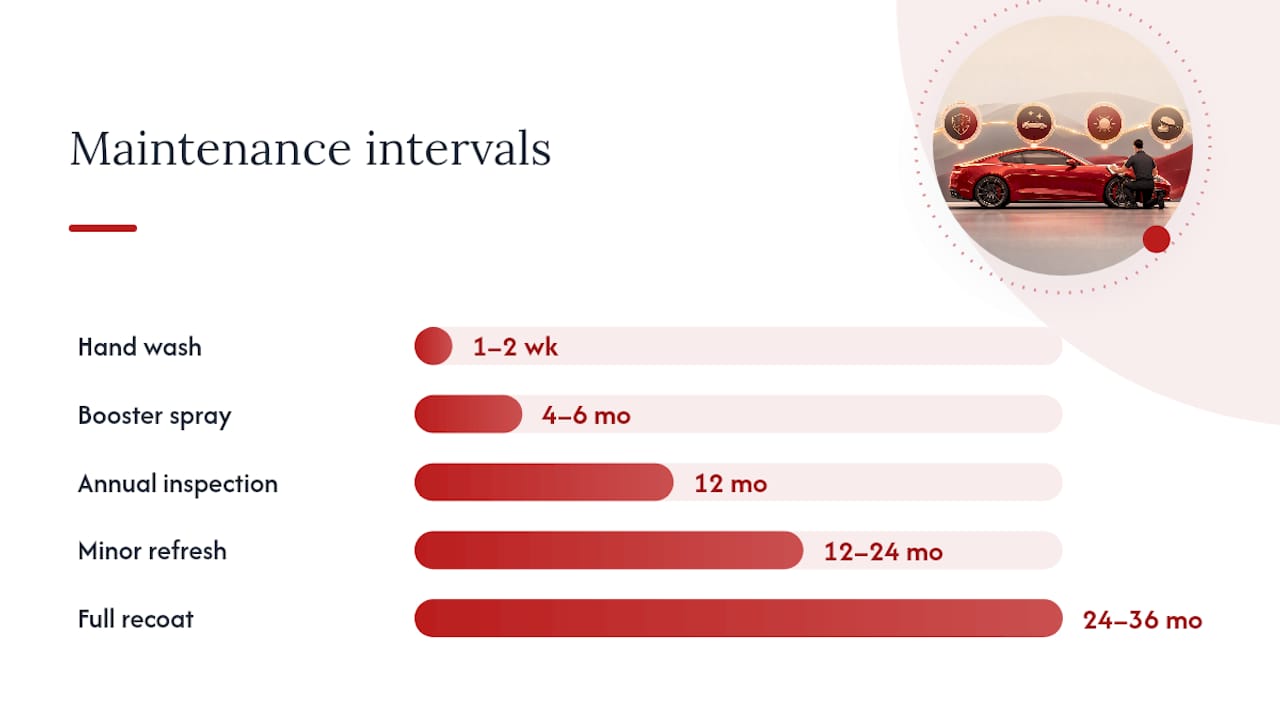
Hand wash every 1 to 2 weeks using a two-bucket method and a pH-neutral soap. This mirrors the manufacturer aftercare guidance most coating brands publish, and it’s the single biggest lever you control.
Apply a booster spray every 4 to 6 months. These sacrificial toppers restore surface hydrophobics and can extend beading performance by roughly 30 to 50 percent when paired with regular washing.
Do a full inspection and light decontamination once a year. A clay bar pass plus a close visual check catches etching before it spreads.
Plan a minor refresh at 12 to 24 months, or a full recoat at 24 to 36 months, depending on tier and how the surface tests.
Skip automatic brush tunnels entirely, avoid dish soap or degreaser-heavy cleaners, and remove bird droppings or sap the same day you notice them.
Pro Tip: Keep a $15 pH-neutral wash soap and a microfiber mitt in your garage year round. The habit of washing on a schedule, rather than waiting until the car “looks dirty,” is the cheapest insurance you can buy for coating longevity.
How Can You Tell When Your Coating Is Wearing Out?
Failure usually starts on the hood and roof, the panels taking the most direct UV and contaminant hits, before it shows anywhere else.
Watch for dulling gloss and water that sheets instead of beading tightly.
Run a simple beading test: pour water on the hood and check the bead shape. A contact angle drifting down toward 80 degrees signals functional failure of the hydrophobic layer.
Check for water spotting that lingers after drying, a sign the coating’s sealing properties are thinning.
If beading is weak but paint looks intact, a booster spray likely solves it.
If gloss is visibly dull and swirl marks show through, you’re looking at paint correction and a full recoat, not a quick topper.
Is Ceramic Coating Worth the Cost Compared to Wax or PPF?
Price bands vary widely by tier and shop, but the pattern holds across the industry: entry-level DIY kits run in the low hundreds, prosumer 9H kits land in the mid range, and professional single-layer installs typically cost more upfront but stretch protection over several years instead of months. Multi-layer premium and graphene packages sit at the top of the price scale and deliver the longest field life.
Annualized cost drops fast on multi-layer systems: spread across 6 to 8 years plus two booster applications a year, the yearly spend is often lower than repeated waxing.
Long-term owners see the best return, especially on dark-colored paint that shows swirls and water spots more visibly.
Resale value benefits from preserved gloss and fewer scratches at trade-in time.
Short-term owners or heavy-abuse drivers (frequent gravel roads, no garage, automatic washes) see weaker ROI since the coating degrades faster than the ownership window justifies.
Paint protection film lifespan runs on a different clock entirely, typically 5 to 10 years depending on film quality, and it protects against chips and abrasions a coating can’t stop. Many owners run both: PPF on impact zones, ceramic coating everywhere else.
What We See in the Field
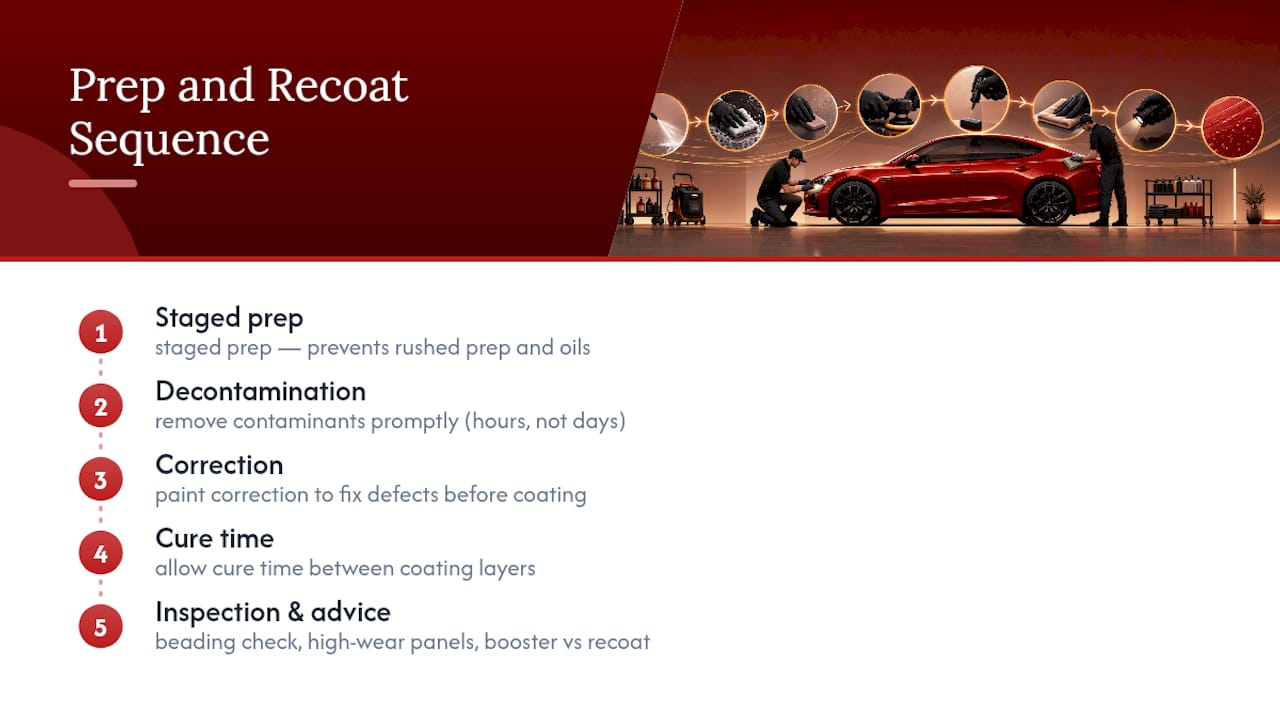
Most premature coating failures we inspect trace back to the same three culprits: rushed prep, automatic brush washes, and contaminants left to sit for days instead of hours. A coating applied over paint with leftover polishing oils looks fine at delivery and starts failing within months. That gap between how a fresh install looks and how it actually holds up is where most owner disappointment comes from.
Our approach leans on staged prep, decontamination, correction, and cure time between layers, because that sequence is what separates a coating that lasts years from one that lasts months. During an inspection or recoat appointment, expect a beading check, a close look at high-wear panels, and a straightforward recommendation on whether a booster or a full recoat makes sense for your paint.
— Phenomenal
Ready for a Coating Built to Last?
Phenomenalautocare is the mobile alternative to guessing whether your last install was done right. We bring premium prep, correction, and multi-layer ceramic coating application straight to your driveway, so you skip the drop-off and the shop wait entirely.

Every appointment starts with a paint assessment, not a sales pitch. If your existing coating is beading well, we’ll tell you a booster is all you need. If it’s failing, we’ll walk you through paint correction and a fresh multi-layer install instead. Arizona sun is unforgiving on unprotected paint, and our Phoenix-area ceramic coating service is built around that reality, with mobile scheduling that fits around your week instead of the other way around.
Book an inspection or a full install, and get a straight answer on where your paint actually stands.
Sources
FAQ
How Long Does Ceramic Coating Really Last?
Field life ranges from 4 to 12 months for consumer spray products up to 5 to 8 years for professionally applied multi-layer or graphene systems, with the difference driven mostly by prep quality, parking, and wash habits.
Does Ceramic Coating Last Longer Than Wax?
Yes. Wax typically breaks down within weeks, while even an entry-level ceramic coating holds hydrophobic protection for months to years depending on tier and maintenance.
How Do I Know My Ceramic Coating Is Failing?
Check for dulling gloss, water spots that linger, and weak beading. A contact angle test drifting toward 80 degrees signals the hydrophobic layer has broken down.
How Often Should I Apply a Booster Spray?
Every 4 to 6 months, paired with regular hand washing, to restore surface hydrophobics and extend beading performance.
Is Paint Protection Film Better Than Ceramic Coating?
They solve different problems. PPF lifespan runs 5 to 10 years and guards against chips and abrasions, while ceramic coating protects gloss and chemical resistance. Many owners combine both for full coverage.
Recommended
Comments